
How a Property Damage Claim Helps Homeowners Recover After Loss
Unexpected property damage can leave homeowners feeling overwhelmed, especially when a storm, fire, leak, or accident interrupts daily life without warning. Beyond the immediate frustration of the damage itself, families may face repair estimates, temporary living changes, cleanup needs, insurance paperwork, and uncertainty about what their policy actually covers. A property damage claim gives homeowners a formal way to request the financial support they need to restore their home and move forward after a loss.
Still, the process is not always simple. Insurance companies may ask for detailed documentation, question the cause of the damage, delay communication, or offer less than what repairs may require. Understanding how a property damage claim works can help homeowners protect their interests, avoid preventable mistakes, and pursue a fair outcome when their home has been damaged.
Protecting Financial Stability
Property damage often creates immediate financial pressure. Even a single incident can involve emergency cleanup, roof repairs, electrical work, flooring replacement, plumbing service, or structural restoration. When the damage is severe, homeowners may also need temporary lodging or storage for personal belongings. A property damage claim helps connect the loss to the coverage already purchased through an insurance policy.
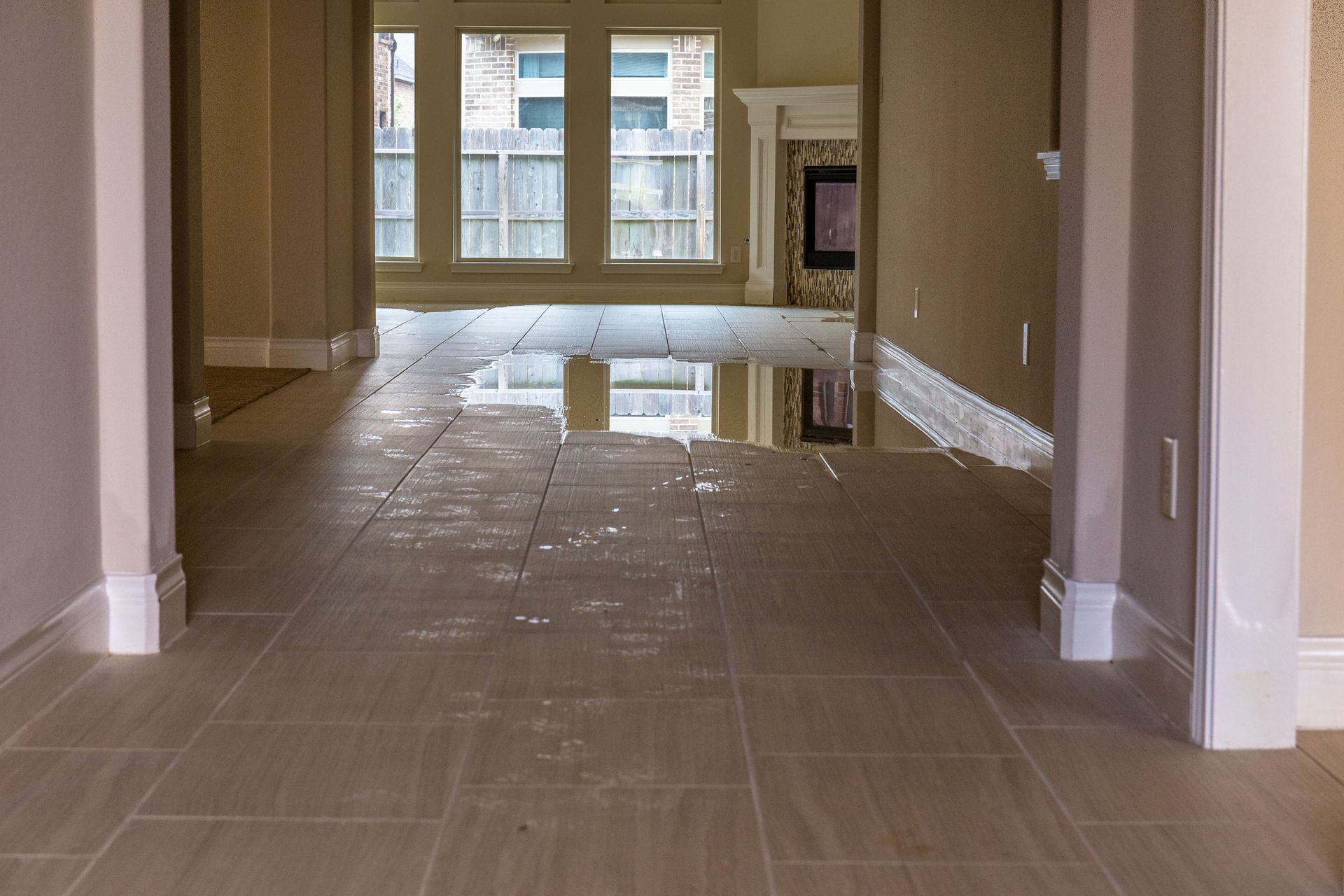
This matters because repair costs can increase quickly, especially when damage affects more than one part of the home. Water from a broken pipe may start in one room but spread into walls, flooring, insulation, and cabinetry. Wind damage may begin with missing shingles but lead to interior leaks. Filing a property damage claim gives homeowners a path to seek payment for covered repairs instead of carrying the full financial burden alone.
The financial benefit is especially important when repairs must happen immediately. Homeowners may need to hire emergency mitigation crews before the insurance company has made a final decision. They may also need to protect the home from additional damage by boarding windows, placing tarps, drying wet materials, or removing debris.
Documenting the Full Extent
Strong documentation is one of the most important parts of the recovery process. Homeowners should take photos and videos of damaged areas, save repair estimates, keep receipts, and write down dates of conversations with insurance representatives. These records help show what happened, when it happened, and how the damage affected the property. A property damage claim becomes stronger when it is supported by clear evidence.
Documentation is also important because some damage is not obvious right away. For example, moisture may remain behind walls long after standing water is removed. Smoke damage may affect surfaces, fabrics, and ventilation systems. A roof may look stable from the ground, while hidden areas are compromised. By gathering thorough records and seeking professional inspections, homeowners can make sure the property damage claim reflects the full scope of the loss.
Homeowners should also keep damaged materials when possible until the insurer has had an opportunity to inspect them. Discarding flooring, roofing materials, appliances, or personal belongings too soon can make it harder to prove what was damaged. When safety concerns require immediate removal, photos, videos, invoices, and written notes can help preserve the details.
Clarifying Insurance Coverage
Many homeowners do not read every detail of their insurance policy until they need to file a claim. Unfortunately, policy language can be difficult to understand, especially when it includes exclusions, deductibles, limits, endorsements, and deadlines. A property damage claim requires homeowners to understand what is covered, what is excluded, and what steps must be completed to remain in compliance with the policy.
This is where careful review becomes important. A policy may cover sudden water damage but exclude long-term leaks. It may cover wind damage but require proof that the damage resulted from a covered event. It may also include deadlines for reporting a loss or submitting certain forms. Understanding these details early can prevent confusion and help homeowners respond more effectively when the insurance company asks questions or requests additional information.
Coverage questions can also affect personal property, detached structures, debris removal, code upgrades, and additional living expenses. Because every policy is different, homeowners should avoid assuming that one neighbor’s claim outcome will match their own.
Addressing Storm-Related Losses
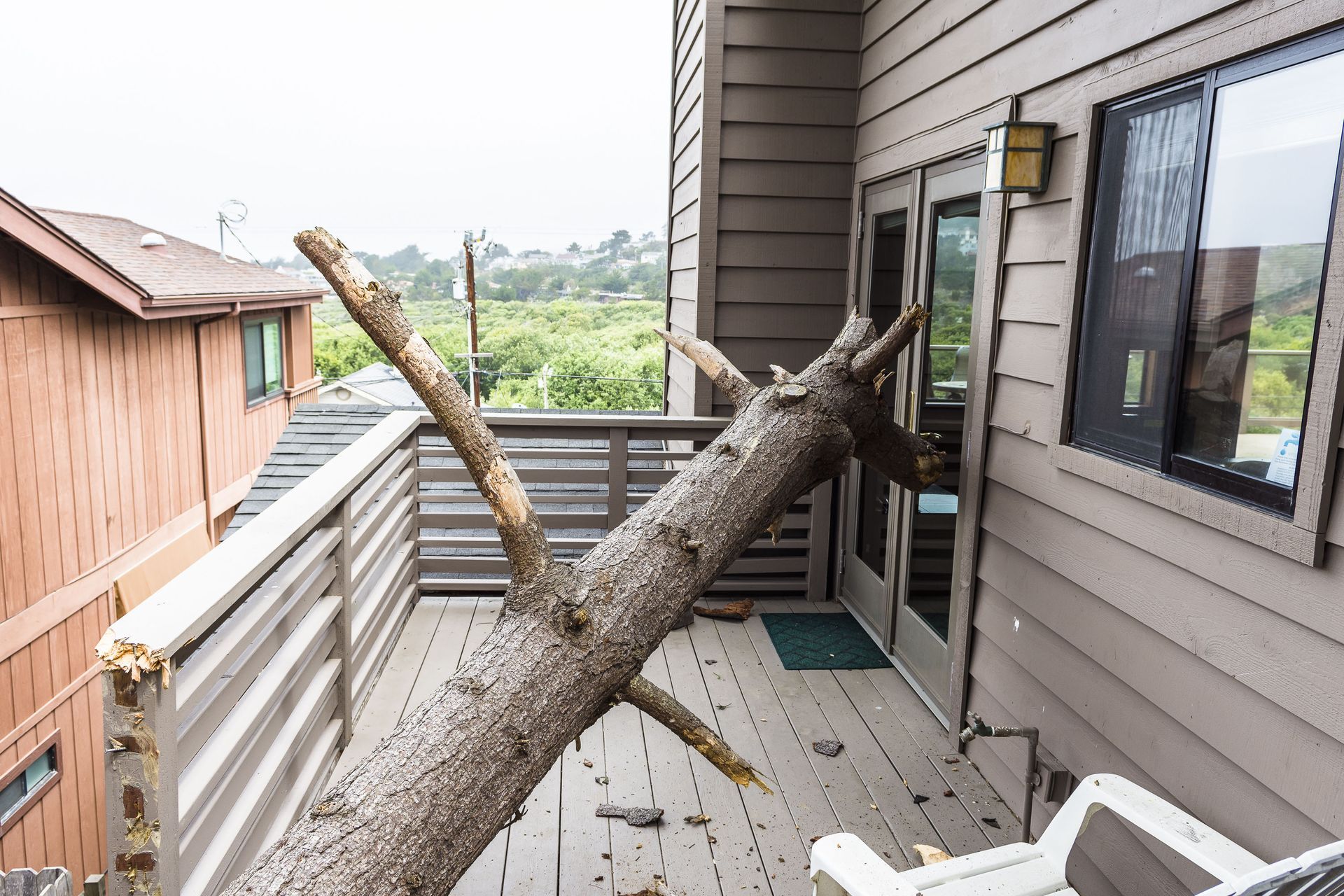
Storm damage is one of the most common reasons homeowners need help recovering after a loss. High winds, hail, heavy rain, and flying debris can damage roofs, siding, windows, gutters, fences, and exterior structures. According to the Insurance Information Institute, wind and hail damage are the most common types of property damage, affecting about one in 36 insured homes each year. This shows how frequently severe weather creates financial and structural challenges for homeowners.
After a storm, it is important to inspect the property carefully and avoid assuming the damage is minor. Missing shingles, dented gutters, cracked siding, water stains, or ceiling discoloration can all point to deeper problems. A timely property damage claim can help homeowners begin the repair process before small issues become larger concerns. Prompt action also helps preserve evidence and shows that the homeowner responded responsibly after the event.
Storm-related claims can become complicated when the insurance company separates covered damage from wear and tear. For this reason, homeowners should document the home’s condition as thoroughly as possible and request professional evaluations when needed. Clear evidence helps connect visible damage to the storm event instead of leaving room for unnecessary disputes.
Reducing Disputes and Delays
Even when homeowners pay premiums on time, insurance disputes can still happen. An insurance company may argue that damage existed before the reported event, claim that repairs are not necessary, undervalue the cost of restoration, or delay a decision. These issues can be stressful because homeowners are left waiting while their property remains damaged. A property damage claim should move the recovery process forward, but it sometimes requires persistence.
Homeowners can reduce delays by responding to requests quickly, keeping organized records, and avoiding unclear statements about the cause or timing of the damage. It is also important not to accept a settlement before understanding whether it covers all necessary repairs. If an offer seems too low or a denial seems unfair, homeowners may need guidance on how to challenge the decision and present stronger evidence.
Communication should be organized from the beginning. Homeowners can keep a simple file with emails, letters, claim numbers, adjuster names, inspection dates, photos, estimates, and receipts. This makes it easier to track the timeline and respond if the insurer asks for information that has already been provided.
Supporting a Fair Recovery
A fair recovery means more than receiving a quick payment. It means having enough support to repair covered damage properly, protect the home’s value, and reduce the risk of future problems tied to the same event. When a property damage claim is handled carefully, homeowners are better positioned to restore their property instead of cutting corners because the settlement does not meet repair needs.
This process may involve contractor estimates, independent inspections, policy review, negotiation, and additional documentation. Homeowners should also pay attention to deadlines and communication requirements because missing an important step can affect the outcome. A well-prepared property damage claim helps keep the focus on the actual loss and the coverage available under the policy.
Recovering after property damage can be frustrating, but homeowners do not have to navigate the process blindly. With strong documentation, a clear understanding of policy terms, and the right support, the claim process can become a practical tool for rebuilding after a difficult event. Call LaHatte Law Firm today to schedule your property damage consultation.


Share On: